The best time to visit Levi depends on what you’re after.
Late November to early January brings the festive atmosphere, with December’s short days and polar night adding to the Christmas experience. You may also see the northern lights if conditions are right. For skiing and snowboarding, March and April offer a popular combination of snowy slopes and more daylight hours, while January and February bring colder midwinter conditions.
If you’d rather walk or cycle than ski, consider visiting in summer, when you’ll have long days to spend outdoors. September is a good time to see the autumn colours, and once the nights are dark enough, you may also spot the northern lights.
When is the best time to visit Levi?
When planning a holiday, it’s common to start with why you want to go to Levi – and that reason should shape when you go. Levi looks and feels completely different depending on the season, from the dark, snowy stillness of midwinter to the endless daylight of summer. Below are the main reasons people visit, with guidance on the best time for each.
Christmas atmosphere
Season: Late November to early January – For higher chances of deeper snow, aim for later in December.
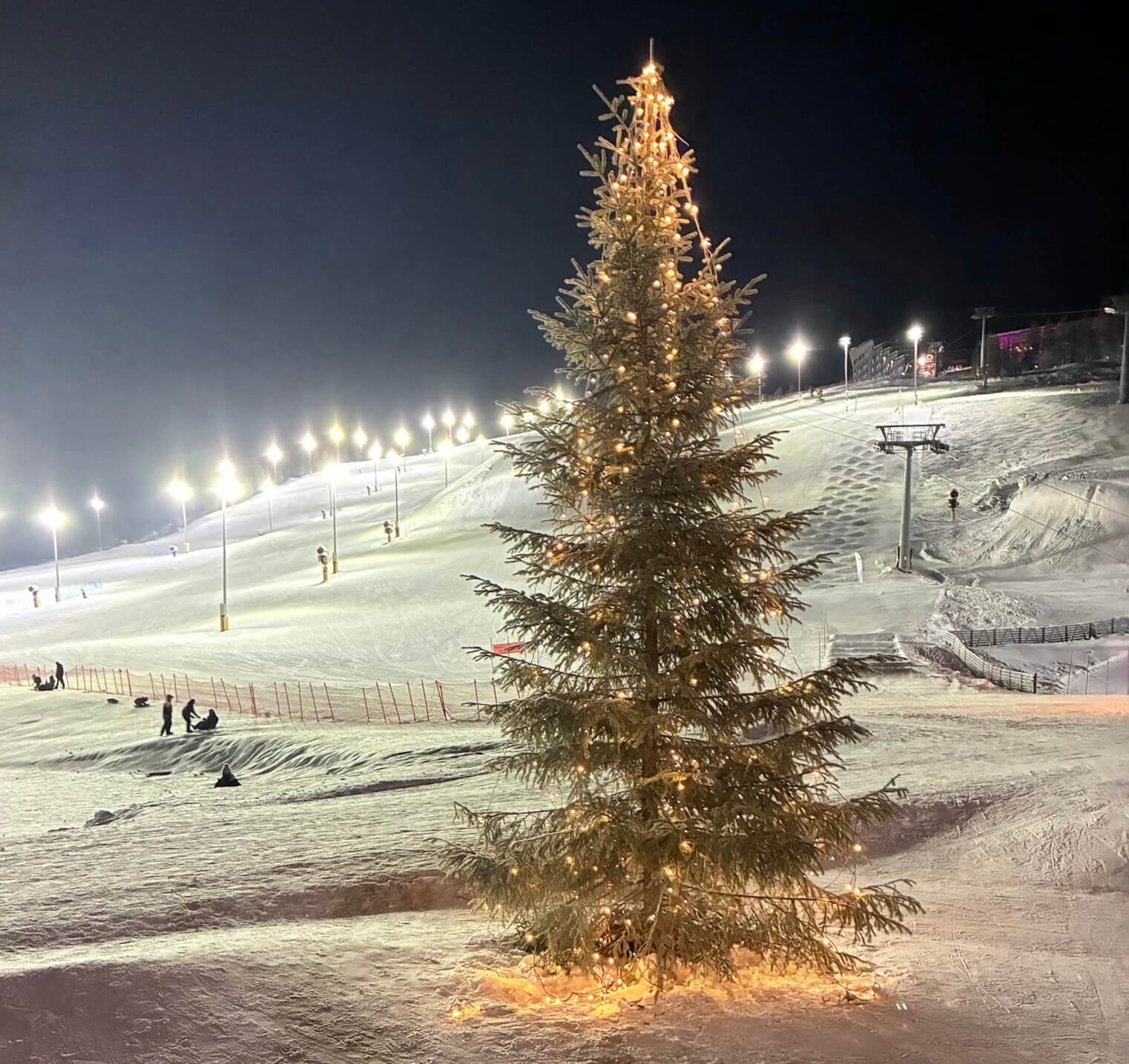
With snow on the ground, Christmas markets, decorations and the polar night, Levi can feel genuinely magical at this time of year. And with New Year quickly following Christmas, this is also a great time to soak up the festive atmosphere while also catching New Year’s Eve celebrations and fireworks.
It’s not surprising that accommodation, flights and Santa activities are in high demand and can book up early, so it’s worth planning well ahead.
If you’re visiting for a Santa experience, it’s worth knowing that many of the popular Santa tours run on into January and February too – so, as an alternative, you could always visit later to say thank you for the presents, although the festive market will likely have gone by then.
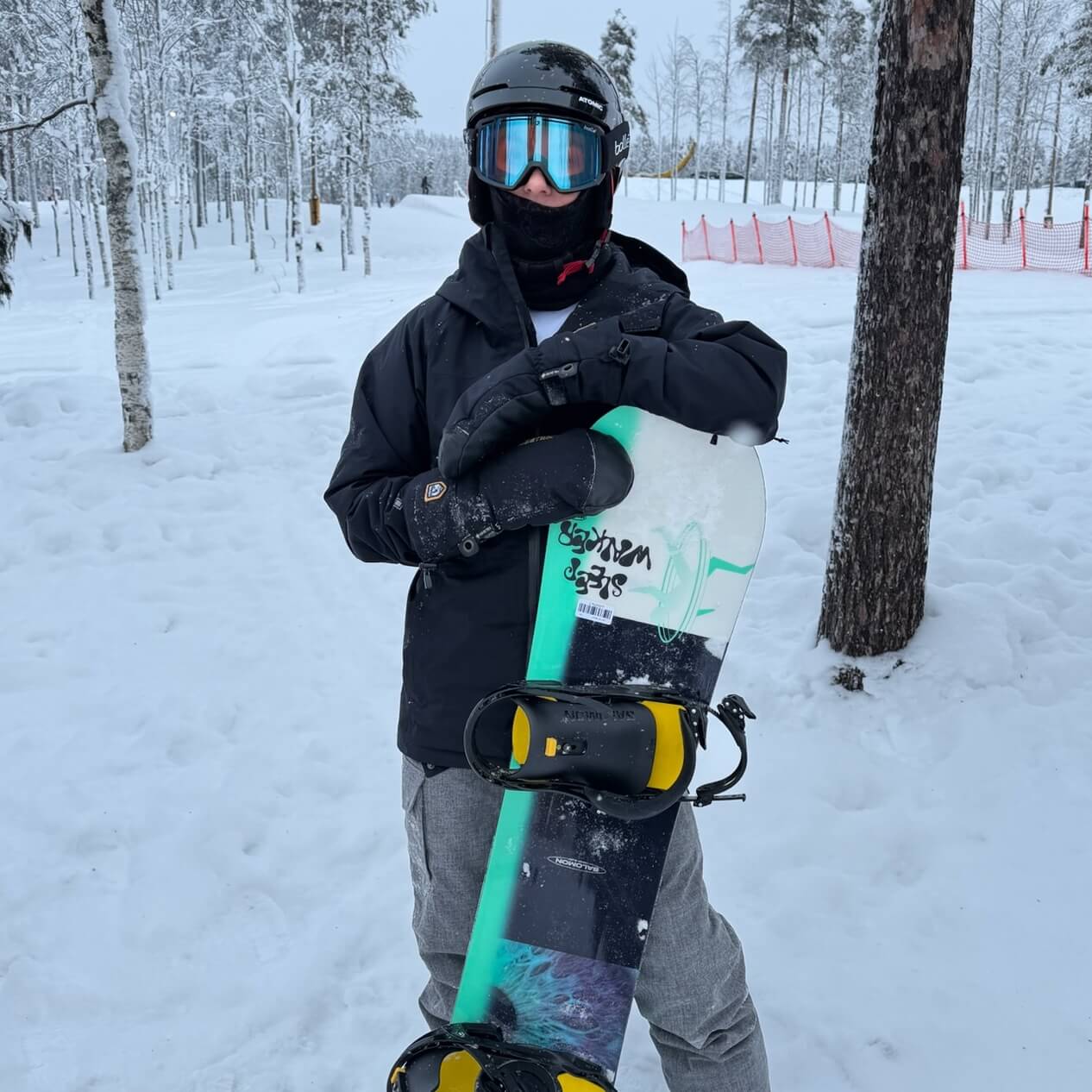
Skiing and snowboarding
Season: Early October to early May – For longer days and milder weather, aim for March or April.
Levi has an unusually long ski season. This is partly thanks to snow saved from the previous winter, which is used to open a small number of slopes as early as October.
That said, if you’re a beginner or casual skier or snowboarder, you’ll generally have a better experience once fresh snow has settled and more slopes have opened. Leevilandia, a favourite spot for first-timers, also relies on fresh snowfall before it’s usable.
With that in mind, anywhere from late December through to April tends to suit most visitors best. Just bear in mind that December brings Levi’s polar night, meaning very limited daylight. January and February are often very cold but reliably snowy, while March and April tend to bring slightly milder weather, more open slopes, and longer daylight hours.
Over half of Levi’s slopes are floodlit, so even in the darker months you can still make good use of the most popular routes.
Family snow activities
Season: Late December to March – For longer days and milder weather, aim for late February or March.
For a good balance of daylight and snow, February is recommended, with February half-term being especially popular for families. Free and low-cost activities such as sledging, mini snowmobiling and a trip to Leevilandia need suitable snow conditions, while longer daylight hours can make family outings easier to plan – conditions that tend to be less reliable during the earlier winter months.
This is also a popular time in Finland itself, with Finnish schools’ own “hiihtoloma” (ski holiday) typically falling in February or early March depending on the region. The downside is that this makes it one of the more expensive weeks to visit Levi, so it’s worth booking accommodation and flights early, and organising guided tours and family activities in advance. Bear in mind that not every country’s school holidays fall in the same week as Finland’s, so it’s worth checking how your own country compares.
If you’d rather avoid the crowds, wait until March once the kids are back at school – there’s normally still plenty of snow, daylight hours are even longer, and temperatures on average are a little milder.
Northern lights
Season: September to March – Visibility is best once the nights are properly dark, from September through to March.
Seeing the Northern Lights is never guaranteed, but you can improve your chances. Darkness is essential, and solar activity is often greater around the autumn and spring equinoxes (late September and March). Less snowfall and clearer skies at these times also mean less chance of cloud getting in your way. December and January bring the darkest skies and longest nights of all, but also the highest chance of heavy cloud cover, which can block any chance of seeing the aurora.
Your best chances are usually between 9pm and 2am, and the longer you stay, the better your odds. If you fancy a bit of comfort, some places offer glass-roof igloos, so you can watch the sky without leaving your bed.
Because Northern Lights viewing is rarely the only reason people visit, it’s worth planning what else you’ll do while you’re in the area – whether that’s skiing, a husky safari, or merely enjoying the festive season if you’re visiting over Christmas.
Summer outdoor activities
Season: June to August – for the warmest temperatures and the widest range of open activities.
Around midsummer, the sun doesn’t set for approximately 45 days, and Levi opens up to hikers and bikers at any hour of the day. The Activity Park on the west side of the fell and the golf club are also common reasons to visit.
Some direct flights operate only during the winter season, so check available routes before choosing your dates.
You may find that many restaurants and shops run more limited, seasonal hours, and the village itself feels a lot quieter than during the winter months.
If you’re after a more relaxed side of Levi, summer is when you’ll find it – generally with fewer crowds than winter. It’s a different Levi to the one most visitors picture, but for many, that’s exactly the appeal.
When is it cheapest to visit Levi?
Prices in Levi change dramatically, and demand for flights and accommodation is often driven by school holidays. The peak festive period, February half-term and Easter are some of the more expensive weeks.
For more favourable prices while still catching the winter conditions, January and early March tend to be the sweet spots. These periods commonly let you make the most of the winter activities on offer, without paying the premium prices demanded during school holidays.
Our recommendation
Picking one period that works for most people, it would be late February to early March. You’ll likely have reliable snow cover, more daylight compared to midwinter, and possibly more stable weather conditions.
But as we’ve covered above, “best” is different for everyone — the reason you’re visiting will determine the month that suits you, since everyone’s priorities are different.
Whatever time you finally decide on, check accommodation and the availability of specialist activities well ahead of time. Levi is popular whatever time of year, so planning ahead is important to make the most of your trip.
Frequently asked questions
Some of Levi’s ski slopes will likely be open, since snow is preserved from the previous winter, but fresh snow isn’t guaranteed – especially early in the month. If that matters to you, your chances improve as December goes on.
No – Levi’s ski season often runs into early May. March is actually a great time to visit: you get more daylight hours, later in the month can be quieter once Finnish winter school holidays have finished, and the weather is milder on average than midwinter.
Levi has a polar night during part of December, but that doesn’t mean it’s dark all day. The sun doesn’t rise, but you’ll still get a few hours of light around midday — often with beautiful blue and purple skies that make for great photos.