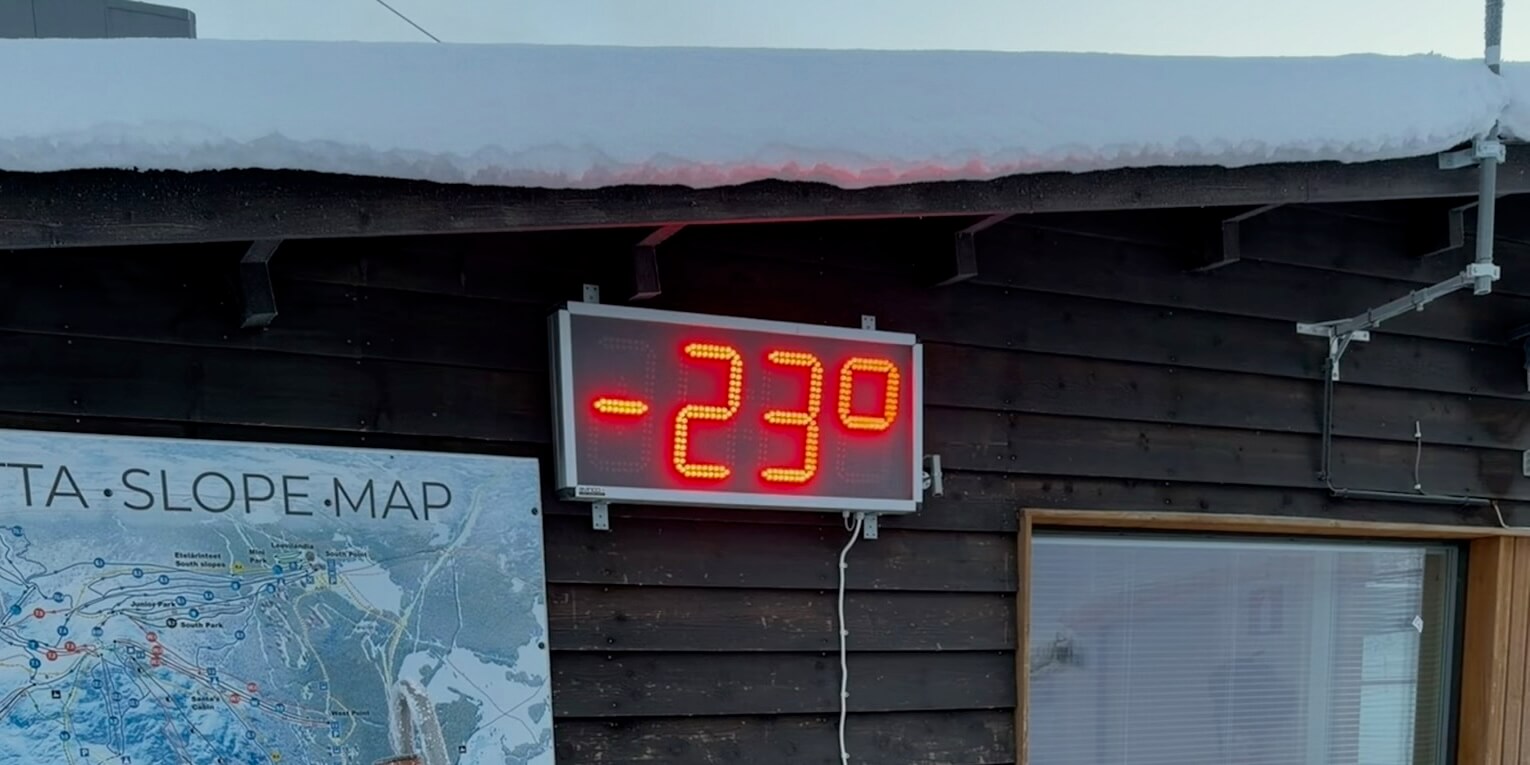
Winter temperatures in Lapland are often around -10°C to -20°C, although it’s not unusual for temperatures to be warmer, with rain instead of snow, or much colder during particularly cold periods. Wind can also make a big difference to how cold it feels when you’re outside, and temperatures can change heavily from one day to the next.
Using layers is the single most important piece of advice when deciding what to wear in Lapland. Layers allow you to adjust what you’re wearing as temperatures change and are particularly useful when moving between the cold outdoors and warm indoor spaces.
You should also consider the activities you plan to do during your trip, as a quiet walk around town requires very different clothing from that needed for a husky safari or snowmobile excursion.
Ultimately, you may find yourself adding or removing layers throughout the day, depending on what you’re doing and how cold it feels.
The best way to dress for Lapland: layers
One of the best ways to stay warm and dry in Lapland is to use a layering system. In really cold temperatures, one thick coat alone may not be enough. By taking a layering approach means you can adjust your clothing throughout the day to suit the different environments you may encounter.
A typical layering system is made up of a base layer, mid layer and outer layer, with each carrying out a different job:
Base layer – keeping you dry and warm
A thermal base layer top and trousers are worn next to the skin. The main job of this layer is to manage moisture and move sweat away from the body, helping to keep you warm and dry.
Merino wool or synthetic materials are the best options to look for when buying a base layer. Avoiding cotton is recommended, as it can absorb moisture and leave you feeling cold and uncomfortable in freezing conditions.
Your base layer does not need to be particularly thick. The aim is to have a close-fitting layer that sits comfortably against your skin without limiting movement.
Mid layer – keeping you warm
The mid layer sits between the base layer and outer layer and provides insulation by trapping warm air close to your body. As with the base layer, it doesn’t need to be particularly thick, and being able to move comfortably while wearing it is important.
A mid layer could be a fleece, wool jumper or similar warm top. In particularly cold weather, you can use more than one mid layer rather than relying on a single thick item.
The benefit of using multiple layers is that when you’re outside for several hours on activities such as Northern Lights tours or other winter excursions, you can add extra layers if you get cold and easily remove them when you go inside for a meal or drink.
Outer layer – protecting you from the weather
The outer layer is the final layer and protects you from wind, snow and rain, while also providing a final layer of insulation. A good outer layer should ideally be windproof and waterproof or highly water-resistant, helping to keep the elements and moisture away from your inner layers.
Ski jackets and ski or snow trousers make good outer layers. You may find that these aren’t particularly thick, as freedom of movement is important for many winter activities, but they can still provide good insulation and retain warmth.
Many ski jackets and trousers also have vents, which can be opened to help regulate your temperature when needed. Combined with a good layering system, this makes it easy to add or remove layers and adjust what you’re wearing to suit the conditions.
Keeping your head, hands and feet warm
Head, hands and feet can often feel the cold sooner than other parts of the body. In cold conditions, the body restricts blood flow to the hands and feet to help preserve heat around the core, meaning they need particular attention when dressing for Lapland. Your head can also lose a significant amount of heat, so keeping it covered is important in freezing conditions.
Bare skin will feel the cold instantly, even more so if there is a little wind. Covering as much exposed skin as possible will help you stay comfortable, particularly when spending several hours outdoors.
Keeping your head warm
A warm hat can be considered almost essential in cold conditions, and fleece-lined hats can provide some extra warmth and protection.
A balaclava can be particularly useful during activities where you’re moving at speed or exposed to strong winds, as it provides additional protection for your face and neck.
A snood is another useful option and can be particularly versatile. It can be worn around your neck for extra warmth or pulled up over your ears and head when needed.
Keeping your hands warm
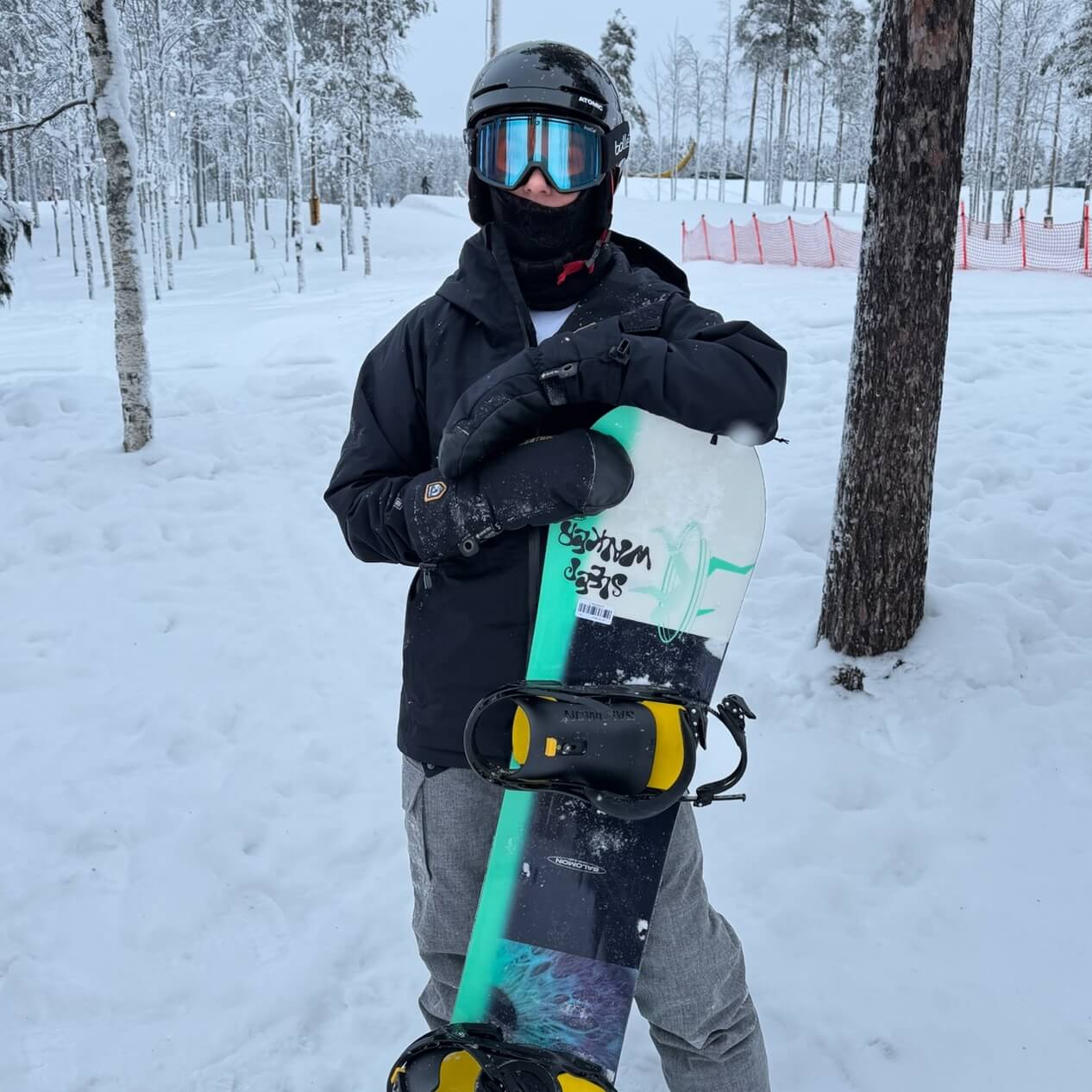
Mittens can generally be warmer than gloves, but the trade-off is movement, as they can make some tasks more difficult. Gloves are more versatile and are regularly favored for activities such as skiing and snowboarding, where you need more freedom of movement and you’re producing more heat naturally through activity.
Using inner gloves, similar to a base layer for your hands, can provide an extra layer to help trap heat. They’re also useful when you need to take your main gloves off, such as when taking photographs, as they keep your hands covered and provide some protection from the cold.
Keeping your feet warm
Merino wool socks are recommended as they can help control moisture while keeping your feet warm. In particularly cold conditions, you may be tempted to wear two pairs of socks, but be careful that your boots don’t become too tight. Restricted blood flow can actually make your feet colder, so you need enough room for your socks and feet to fit comfortably.
A good insulated boot is essential for staying warm, with fleece-lined options providing additional insulation. Some boots may state the temperatures they are designed for, which can be useful when choosing footwear for particularly cold conditions. Your boots should also be waterproof to prevent snow and moisture from getting inside, while good grip is important as conditions can become slippery, particularly when there has been little recent snowfall and icy surfaces are exposed.
Clothing mistakes to avoid in Lapland
Having knowledge of these common mistakes will help make sure you are prepared for the cold conditions:
- Jeans – Provide little insulation, absorb water and can restrict movement, so they aren’t ideal for spending long periods outdoors.
- Heat pads – Don’t rely on these too heavily. Proper layering, suitable clothing and good footwear are the key to staying warm.
- Cotton base layers – Cotton can absorb sweat and moisture, meaning it may become damp and leave you feeling cold.
- Non-insulated boots – Boots that aren’t designed for winter conditions can allow your feet to become cold quickly and may also provide poor grip on snow and ice.
- Too many layers – When doing active activities, you naturally produce more heat. Wearing too many layers can cause you to overheat and sweat, leaving you uncomfortable and potentially colder when you stop.
- Not checking what’s included – If you’re travelling on a package holiday or booking organised activities, some providers may include outer layers and boots. Checking what’s included before buying anything could save you a good bit of money.
Clothing in whilst eating out
In winter, for many restaurants and cafes in Lapland, it’s perfectly acceptable to arrive in snow boots and outdoor clothing. You generally wouldn’t be expected to change into different shoes just because you’re going out for a meal.
If you’re visiting a more upmarket restaurant, it’s worth checking the dress code in advance, as some venues may have different expectations.
You may choose to bring a single pair of trainers or casual shoes and some more normal clothes to wear around your hotel, but this would be more for comfort. These can also be useful for travelling to and from Lapland, meaning you don’t necessarily need to pack a separate outfit just for eating out.
Activity-specific adjustments
Every activity is different. If you’re skiing or snowboarding, you’ll generally be more active and may be outside for longer periods, while also having more contact with the snow. Breathable, waterproof and flexible clothing is therefore important, allowing you to move freely while protecting you from the elements.
If you’re going on a Northern Lights tour, you may spend much of the time standing around outside at night with very little movement. In this situation, you’ll want to focus less on flexibility and more on insulation, as staying warm while standing still can be much harder.
The benefit of using layers is that you can add or remove clothing as needed without needing an entirely different outfit for each activity. However, Consider the activities you’ll be doing before deciding exactly what clothing you’ll need.
Rental clothing in Lapland
Depending on your chosen destination, you may find clothing rental shops where you can hire outer layers and winter boots. This can save you the cost of buying specialist winter clothing, as well as valuable space in your suitcases.
Renting clothing can be particularly worth considering if it’s your first time visiting Lapland and you’re not sure whether you’ll return in the future. It also gives you the opportunity to try suitable clothing supplied by a local company that understands the conditions, which can give you a better idea of what you may want to purchase if you return.
You may still want to bring your own thermal base layers, mid layers, gloves and hats, as these are more personal items and aren’t always included in rental packages.
Tour providers may provide winter clothing
If you’ve booked a winter package, your tour operator may provide outer layers and winter boots, similar to the clothing you can gain from rental shops These commonly include one-piece winter suits that can be worn over your base and mid layers.
This tends to be more common with winter or santa packages than with ski packages, but it’s always worth checking with your tour provider before buying or renting anything.
Heat pads
Heat pads are small disposable packets that generate heat for several hours once opened. Placing them in your boots before heading outside, or keeping some available to put inside your gloves, can provide an extra source of heat if you start to feel cold.
Consider heat pads as an aid rather than a replacement for good layering or good gloves/boots. They may not work as effectively in extremely cold conditions, particularly if the person is already feeling the cold.
If you’re planning to use them regularly, buying them in bulk rather than individual pairs can often offer a significant saving.
Heat pads are commonly sold as single-use items, meaning they create additional waste each time they are used. If you think you’ll use them regularly throughout your stay, consider a reusable version that can be reheated or recharged before leaving your accommodation. This can be a more eco-friendly option and may also save money if you use them regularly.
Final thoughts
Don’t compromise when it comes to keeping your hands and feet warm. Cold hands or feet, particularly for children, can quickly mean having to stop an activity and find somewhere warm. Make sure you have suitable gloves, socks and footwear designed for snowy and freezing conditions.
Frequently asked questions
You are likely to be standing around outside with little movement during a Northern Lights tour, meaning you won’t be generating much heat yourself. It’s therefore important to follow the layering approach and use multiple layers. Try to cover as much bare skin as possible, particularly on your face and hands, especially if there is any wind.
No, not usually. Restaurants in Lapland generally understand that visitors need to travel through cold and potentially slippery conditions to get there, so it’s normal to arrive wearing snow boots. If you’re visiting a more high-end restaurant, however, it’s worth checking the dress code in advance.
Not on its own. Temperatures can often be around -10°C to -20°C, so relying on a single coat may not provide enough warmth for spending extended periods outside. It’s recommended that you follow the principle of layering clothes to help trap heat and allow you to adjust clothing items easily to suit the environment / activity that you are in.
Not always. If wearing multiple layers makes your boots too tight, they can restrict circulation and actually make your feet colder. During active activities such as skiing, your feet may also become too warm, causing sweating and damp socks, which can become uncomfortable. A single good-quality pair of warm socks inside a suitably sized insulated boot may therefore be a better option.